


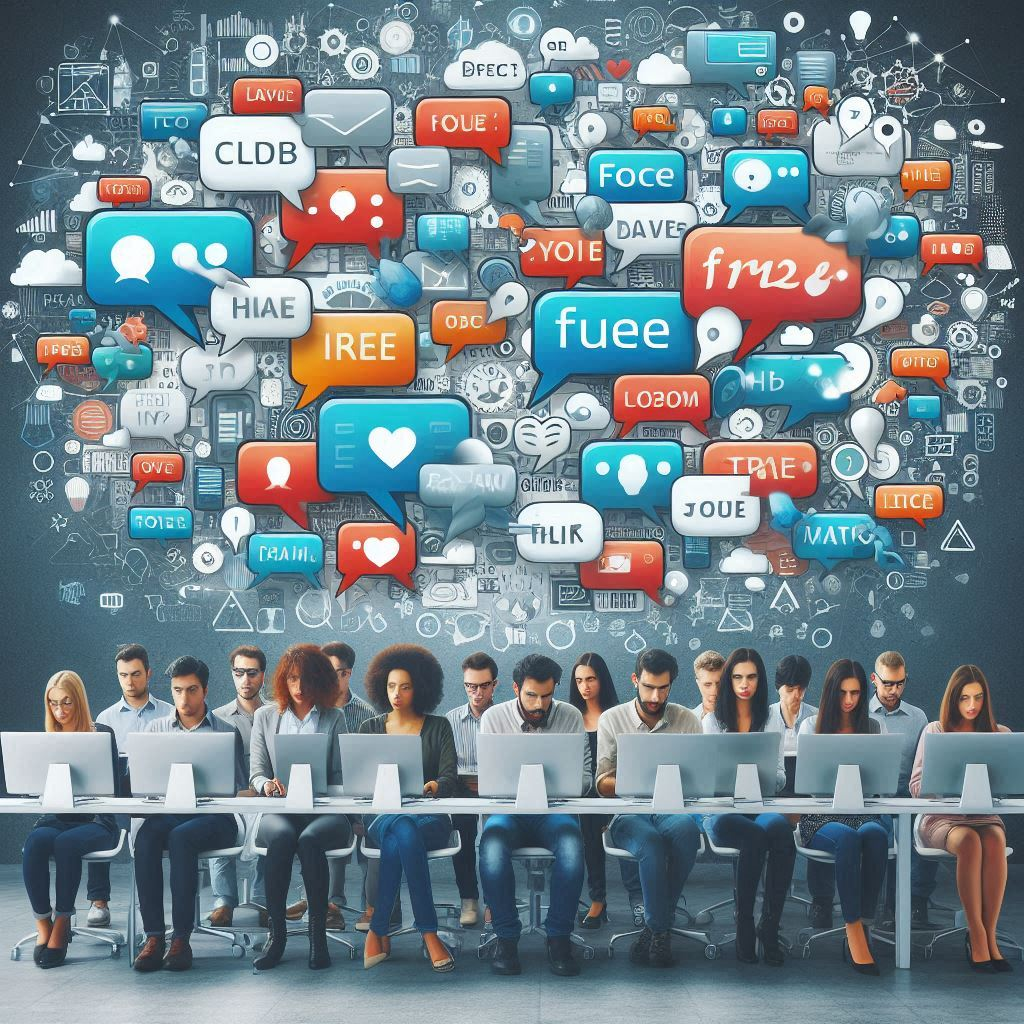
In the sprawling digital agora of social networks, the noble ideal of free speech often becomes a double-edged sword. While these platforms have the potential to foster connection and democratize voices, they can also morph into arenas where dignity and civility are trampled underfoot. When individuals wield free speech recklessly, without regard for respectful discourse, the psychological repercussions ripple through both personal and societal spheres.
The Anonymity Paradox
At the heart of this issue lies the online disinhibition effect. Shielded by screens and often cloaked in anonymity, people may express thoughts they’d suppress in face-to-face interactions. This disinhibition can lead to a surge of hostile, aggressive, or defamatory language. The usual social cues—facial expressions, tone of voice, immediate feedback—are stripped away, making it easier to dehumanize others. This erosion of empathy paves the way for harmful exchanges that disregard the shared dignity we owe one another as members of a civilized society.
Echo Chambers and Polarization
Social networks utilize algorithms that curate content aligned with our preferences, inadvertently creating echo chambers. This reinforces existing beliefs and biases, fostering an environment where opposing viewpoints are not just unheard but actively dismissed or attacked. Such polarization hampers healthy discussion, as the willingness to engage with differing perspectives diminishes. The psychological comfort of affirmation takes precedence over the challenging yet essential process of critical thinking and open dialogue.
The Spread of Toxicity
When harmful speech goes unchecked, it normalizes incivility. This phenomenon, known as toxic disinhibition, can escalate quickly. One derogatory comment begets another, creating a cascade of negativity. Social proof—the idea that people conform to what they perceive as typical behavior—means that witnessing disrespectful interactions can make such behavior seem acceptable. This not only undermines individual dignity but also corrodes the standards of communication within the community.
Psychological Harm to Individuals
The targets of uncontrolled speech often suffer significant psychological distress. Continuous exposure to negativity can lead to anxiety, depression, and a host of other mental health issues. The bystander effect exacerbates this, as witnesses to online harassment may choose not to intervene, leaving victims feeling isolated and unsupported. Moreover, the permanence and public nature of online interactions mean that harmful content can haunt individuals indefinitely.
Free Speech vs. Responsible Speech
While free speech is a fundamental right, it is not absolute. The misuse of this right under the pretext of unbridled expression ignores the accompanying responsibility. Psychologically, this taps into concepts of entitlement and narcissism, where the emphasis is on self-expression without regard for impact. A civilized discourse necessitates balancing the right to speak with a respect for others’ rights to safety and dignity.
Erosion of Social Norms
Uncontrolled use of social networks can lead to the erosion of social norms that have traditionally governed respectful interaction. Deindividuation—the loss of self-awareness in groups—can cause individuals to act in ways they typically wouldn’t, especially when there’s a perception of being part of a larger, faceless crowd. This diminishes personal accountability and further degrades the quality of discourse.
Fostering Healthy Discussions
To mitigate these harms, it is crucial to cultivate a culture of digital citizenship. This involves:
- Promoting Empathy: Encouraging users to consider the impact of their words. Simple interventions, like prompts asking, “Is this something you’d say in person?” can make a significant difference.
- Education on Media Literacy: Teaching individuals to critically evaluate content and recognize misinformation or inflammatory rhetoric.
- Implementing Robust Moderation: Platforms can invest in moderation tools that identify and address harmful behavior without impinging on legitimate free speech.
- Encouraging Accountability: Real-name policies or verified accounts can reduce anonymity, making individuals more accountable for their online actions.
Psychological Resilience and Community Building
On a personal level, building psychological resilience can help individuals navigate the challenges of social networks. This includes:
- Setting Boundaries: Limiting time spent on platforms known to induce stress or negativity.
- Curating Feeds: Following accounts that promote positive content and engaging respectfully with diverse viewpoints.
- Seeking Support: Connecting with communities that uphold respectful discourse can provide a buffer against the harsher aspects of social media.
Reimagining Digital Spaces
Ultimately, reimagining social networks as spaces for genuine connection rather than conflict requires collective effort. It’s about embracing the principle of reciprocity: treating others online as we would wish to be treated. By prioritizing dignity and healthy discussion, we reinforce the social fabric that binds us as civilized humans.
Exploring the Role of Technology
Interestingly, technology itself can offer solutions. Advances in artificial intelligence can help detect and mitigate harmful content in real-time. Additionally, features that promote thoughtful engagement—like delay-before-posting functions—encourage users to reflect before sharing.
In essence, while social networks hold immense potential for positive interaction, unchecked use under the guise of free speech can inflict significant psychological and societal harm. By consciously fostering environments that value dignity and healthy discourse, we can harness the power of these platforms to enrich, rather than erode, our collective human experience.
Further Reflection:
Have you ever considered how your own online interactions contribute to the broader digital culture? Small acts of kindness and respectful engagement can ripple outward, setting a tone that encourages others to follow suit. Together, we can transform social networks into spaces that reflect the very best of human communication.

 Bhyllabus l'énigme
Tinggalkan komentar