
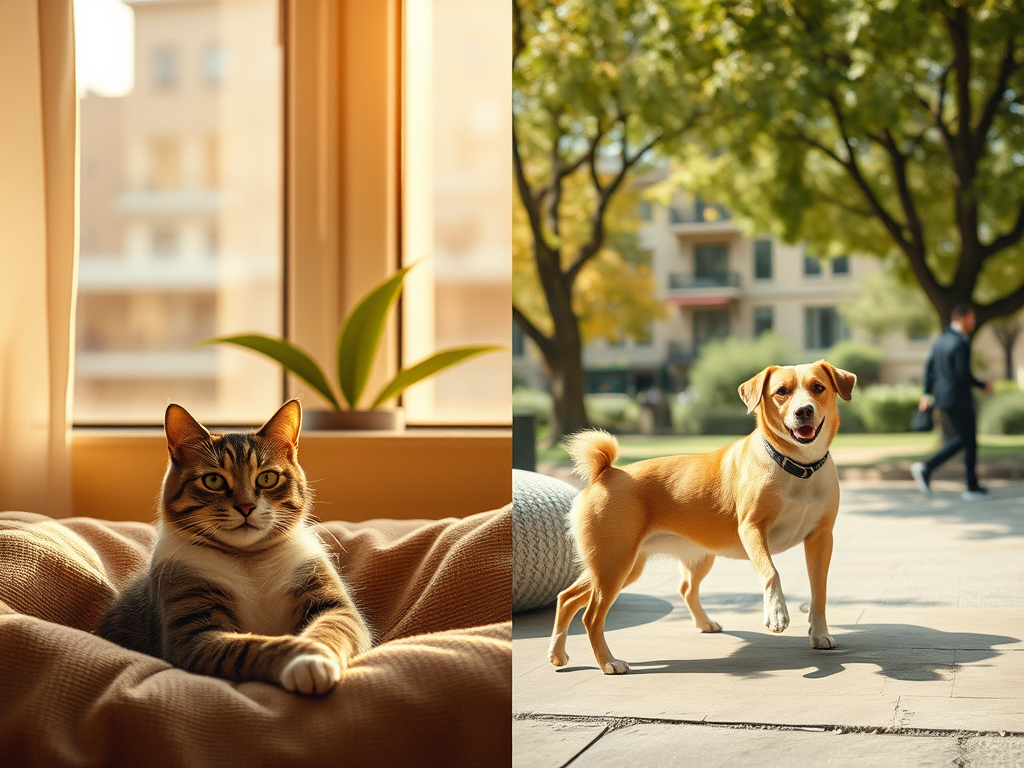
Deciding whether to welcome a furry friend into your home is a joyous, yet significant, decision. Beyond the adorable factor, the choice between a cat, a dog, both, or even neither, is deeply intertwined with the sociocultural fabric of where you live. What works perfectly in a sprawling suburban American home might be a challenge in a densely packed Indonesian kampung. So, before you rush to the nearest shelter, let’s explore how your local environment can (and should) influence your pet parenting journey.
The Urban Jungle: Navigating City Life with Pets
For many city dwellers, space is a premium. High-rise apartments, shared common areas, and busy streets all play a role in shaping responsible pet ownership.
- Cats: The Urban Champions? Cats often thrive in smaller spaces, making them excellent companions for apartment living. They’re generally quieter, require less outdoor exercise (though enrichment is crucial!), and their independent nature can be a boon for busy professionals. In many urban Indonesian settings, a well-socialized indoor cat can integrate seamlessly into a household, often with less societal scrutiny than a dog. The “independent” nature of cats also fits well with apartment living, where owners might not have extensive outdoor space or time for walks.
- Dogs: The Urban Challenge (and Reward). Owning a dog in a city, especially a larger breed, demands significant commitment. Daily walks, access to parks, and managing their energy levels in confined spaces are critical. Consider:
- Leash Laws and Public Perception: Are there designated dog parks? Are dogs generally welcomed in public spaces or are they viewed with suspicion, particularly in areas with cultural norms that may prioritize cleanliness or have concerns about stray animals? In many Indonesian urban areas, while dog ownership is growing, the perception can still vary, with some communities having strong preferences for quiet environments or concerns about hygiene.
- Noise and Neighbors: Barking can be a major issue in close quarters. Understanding your building’s rules and your neighbors’ tolerance is paramount.
- Cost: Beyond food and vet care, doggy daycare, walkers, and pet-friendly rentals can significantly add to expenses.
- Both: A Balancing Act. Adopting both a cat and a dog in an urban environment requires ample space, a very patient owner, and a careful introduction process. It’s often more feasible in larger city dwellings rather than compact apartments.
- Neither: A Valid Choice. If your living situation is extremely small, your schedule is relentlessly demanding, or your building/community has strict pet policies, choosing not to have a pet is a responsible and commendable decision. It’s better to acknowledge limitations than to bring an animal into an unsuitable environment.
The Suburban Sprawl: More Room to Roam
Suburban areas often offer more space, both indoors and outdoors, which can expand pet ownership possibilities.
- Dogs: The Suburban Dream. With yards and more accessible parks, suburban life can be ideal for dogs. They have more room to play, and owners generally have an easier time providing adequate exercise. Socioculturally, dogs are often more readily accepted in suburban settings, with community dog parks and pet-friendly businesses becoming more common. In many Indonesian suburbs, while still requiring responsibility, there’s often more tolerance for dogs, especially if they are well-behaved and contained.
- Cats: Still a Great Fit. Cats continue to thrive in suburban homes. The added space can even allow for “catios” or secure outdoor enclosures, providing a safe way for them to enjoy the fresh air without becoming a nuisance to neighbors or encountering dangers.
- Both: Often Feasible. With more space, managing both a cat and a dog becomes more manageable. Careful introductions and separate spaces (especially for feeding) are still key.
Rural Retreats: Open Spaces and Community Norms
Rural living presents a unique set of considerations, often influenced by agricultural practices and long-standing community traditions.
- Dogs: Working Companions and Guard Animals. In many rural Indonesian communities, dogs have historically served as working animals (herding, guarding) or as protectors of property. Their presence is often accepted and even valued in this context. However, responsible ownership, including vaccination and preventing them from becoming strays, is crucial. Free-roaming dogs can be a problem if not properly managed.
- Cats: Pest Control and Companions. Cats are often valued in rural settings for their pest control abilities, keeping rodents at bay around homes and farms. They can also be beloved companions. In many rural Indonesian areas, cats are common and generally accepted, often moving freely between properties.
- Both: A Natural Fit. In spacious rural environments, keeping both cats and dogs is often a natural occurrence, especially if they are introduced properly and have enough space to coexist.
- Neither: When Life Demands It. If your rural lifestyle involves extensive travel, highly sensitive livestock, or a community with strong cultural objections to pets, opting out is understandable.
The Sociocultural Lens: Beyond Just Space
Beyond the physical environment, cultural norms, religious beliefs, and community attitudes play a massive role in pet ownership.
- Religious and Cultural Views: Certain religions or cultural traditions may have specific views on animals, influencing their acceptance or roles within a household. For instance, in some parts of Indonesia, there might be sensitivities around dogs due to Islamic beliefs about purity, while cats are generally seen as clean and acceptable. Understanding and respecting these local nuances is paramount.
- Community Tolerance: Are your neighbors generally animal lovers or do they prefer a quiet, pet-free environment? Do local regulations support pet ownership (e.g., vet services, pet supply stores) or make it challenging? In tighter-knit communities, a pet that causes disturbances can quickly lead to strained relationships.
- Economic Factors: The cost of pet ownership – food, vet care, grooming, and unexpected emergencies – can be substantial. Access to affordable veterinary care, particularly in remote areas, can be a significant factor in responsible pet ownership.
The Ultimate Decision: It’s About Responsibility
Ultimately, the decision to adopt a cat, a dog, both, or neither, is deeply personal but must be rooted in responsibility. Before you bring a new life into your home, ask yourself:
- Do I have the time? Pets need attention, exercise, training, and enrichment.
- Do I have the financial resources? Pet ownership is an ongoing financial commitment.
- Does my living situation accommodate a pet comfortably?
- Do local sociocultural norms and regulations support responsible pet ownership?
By carefully considering your lifestyle, your living environment, and the sociocultural landscape around you, you can make an informed decision that leads to a happy, healthy life for both you and your potential furry companion. The right choice isn’t about what’s popular, but what’s genuinely sustainable and respectful of both animal welfare and your community.
 Bhyllabus l'énigme
Tinggalkan komentar