
This is a question that many doctors may ask themselves, especially in the age of social media and online platforms. There are pros and cons to becoming a health influencer, and it is not a decision that should be taken lightly. In this blog post, I will explore some of the benefits and challenges of being a doctor who also influences the public on health topics.
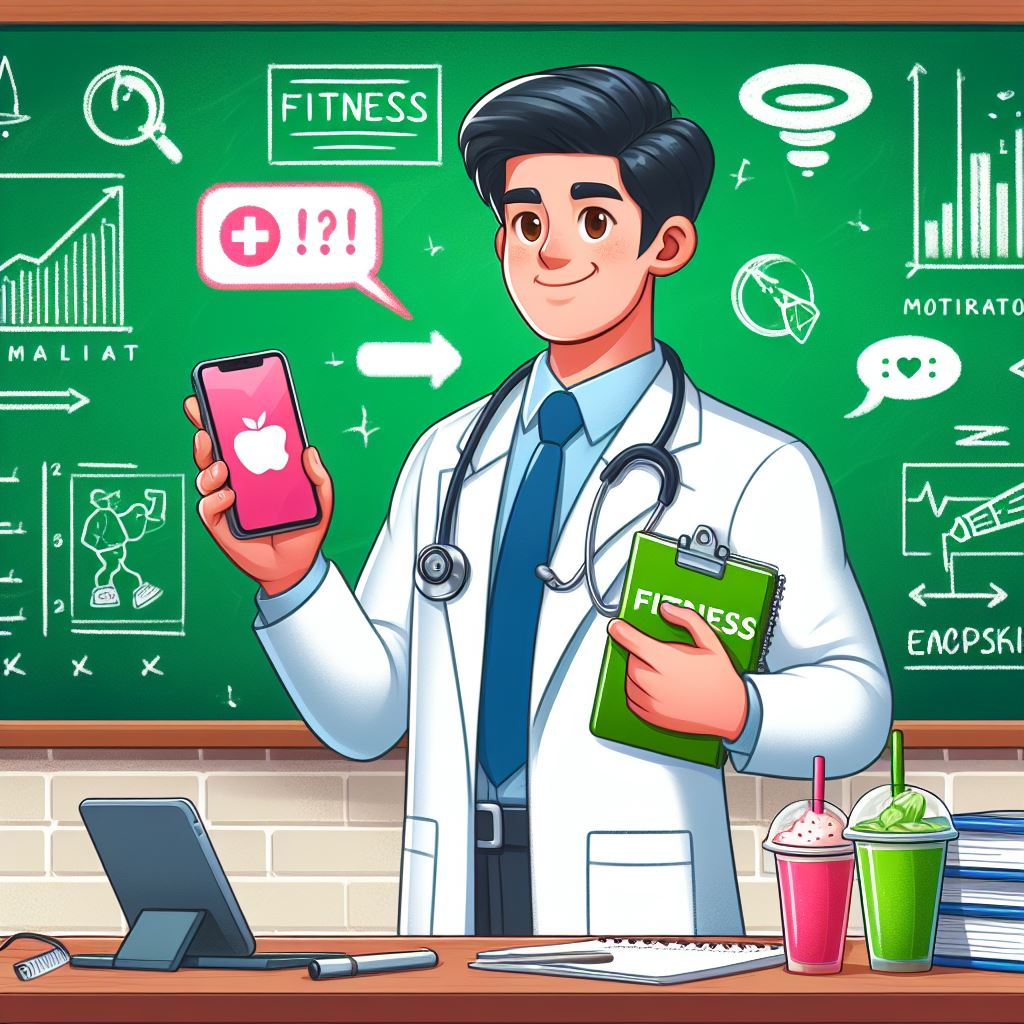
Benefits of being a health influencer:
- You can reach a wider audience and educate them on important health issues, such as prevention, diagnosis, treatment, and wellness.
- You can build your reputation and credibility as an expert in your field, and potentially attract more patients or clients to your practice.
- You can create a positive impact on the health outcomes and behaviors of your followers, by inspiring them to adopt healthier lifestyles, seek medical help when needed, and follow evidence-based recommendations.
- You can network with other health professionals and influencers, and collaborate on projects, campaigns, or research that can advance your career and the field of medicine.
Challenges of being a health influencer:
- You may face ethical dilemmas and conflicts of interest, such as how to balance your professional obligations with your personal opinions, how to disclose any sponsorship or affiliation with brands or products, and how to handle misinformation or controversy that may arise from your content.
- You may encounter legal risks and liabilities, such as how to protect your intellectual property rights, how to comply with the regulations and guidelines of your profession and the platforms you use, and how to deal with any complaints or lawsuits that may result from your content.
- You may experience stress and burnout, such as how to manage your time and resources between your clinical work and your online presence, how to cope with the pressure and expectations of your followers and peers, and how to handle any negative feedback or criticism that may affect your mental health.
- You may face competition and challenges from other health influencers, such as how to differentiate yourself from the crowd, how to maintain your relevance and engagement with your audience, and how to deal with any conflicts or disagreements that may arise from different perspectives or approaches.
Conclusion:
Being a health influencer can be rewarding and fulfilling, but it also comes with responsibilities and risks. Before you decide to become one, you should weigh the pros and cons carefully, and consider your goals, values, skills, and resources. You should also consult with your colleagues, mentors, supervisors, or legal advisors, and follow the best practices and standards of your profession and the platforms you use. Ultimately, you should aim to provide accurate, reliable, and helpful information that can benefit your followers and the public health.
 Bhyllabus l'énigme
Tinggalkan komentar